Creating a relaxing home workspace is essential for maintaining productivity and wellbeing, especially as many of us spend increasing amounts of time working from home. A well-designed space can help reduce stress, improve focus, and make your workdays more enjoyable. Whether you have a dedicated room or just a cozy corner, these tips will help you transform your workspace into a calm, inviting environment.
1. Choose the Right Location
The first step in creating a relaxing workspace is selecting the perfect spot in your home.
– Natural Light: Pick a location near a window if possible. Natural light boosts mood and energy while reducing eye strain.
– Low Traffic Area: Find a spot away from busy areas to minimize distractions and noise.
– Comfortable Temperature: Ensure your workspace stays at a comfortable temperature throughout the day.
2. Invest in Comfortable Furniture
Comfort plays a big role in how relaxing your workspace feels.
– Ergonomic Chair: Choose a chair that supports your back and encourages good posture.
– Appropriate Desk Height: Use a desk that fits your height to prevent discomfort.
– Flexible Options: Consider standing desks or adjustable furniture to vary your working positions.
3. Keep Your Space Organized
A cluttered desk can lead to a cluttered mind. Keeping your workspace neat helps create a serene atmosphere.
– Storage Solutions: Use shelves, drawers, and organizers to keep supplies tidy.
– Minimalism: Keep only what you need on your desk to reduce distractions.
– Daily Tidy-Up: Spend a few minutes each day putting items back in place.
4. Personalize Your Workspace
Adding personal touches can make your workspace more inviting and comfortable.
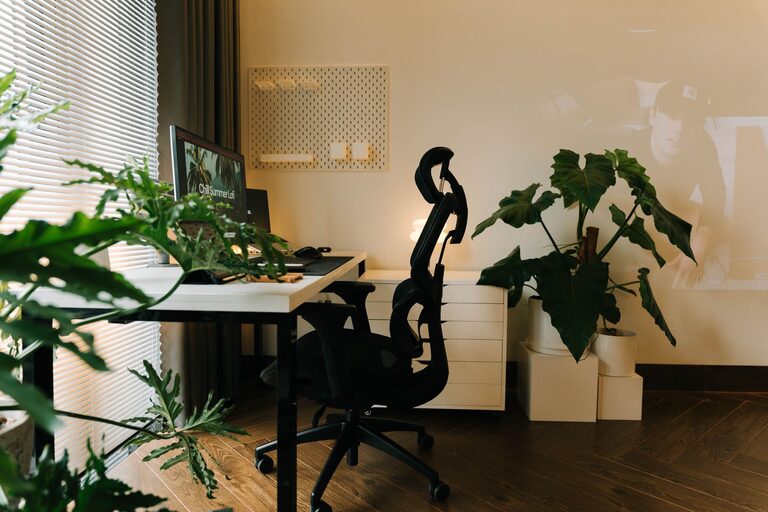
– Plants: Indoor plants not only look nice but also improve air quality and create a calming effect.
– Artwork: Choose calming or inspiring art that boosts your mood.
– Soft Textiles: Add cushions or a cozy rug to make the space feel warm.
5. Use Calming Colors
The color palette of your workspace can influence your mood and productivity.
– Soft, Neutral Tones: Shades like beige, soft gray, or light blue promote relaxation.
– Accent Colors: Add small pops of color in moderation to maintain visual interest without overload.
– Avoid Bright, Harsh Colors: Intense colors may be distracting or increase stress.
6. Manage Lighting Comfortably
Lighting is key to comfort and focus.
– Natural Light First: Maximize daylight, but control glare with blinds or curtains.
– Task Lighting: Use a desk lamp to reduce eye strain during focused tasks.
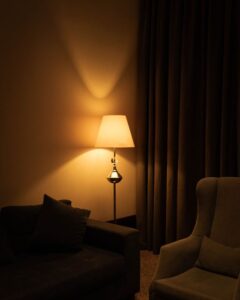
– Warm Light Bulbs: Choose bulbs with warm tones for a relaxing ambiance.
7. Incorporate Soothing Sounds
Background noise can either aid concentration or become a distraction.
– White Noise Machines: Use these to drown out distracting sounds.
– Soft Music: Calm instrumental music can improve focus.
– Silence: If possible, create a quiet environment.
8. Set Boundaries to Maintain Balance
A relaxing workspace also means having clear limits between work and personal life.
– Defined Workspace: Keep work materials confined to one area.
– Signaling Work Hours: Use visual cues or set alarms to mark the start and end of your workday.
– Break Area: Have a separate spot for breaks to mentally step away.
9. Utilize Technology Wisely
Technology helps work run smoothly but should not add stress.
– Cable Management: Use clips or sleeves to keep cables organized.
– Effective Tools: Choose user-friendly devices and apps that increase productivity.
– Limit Notifications: Reduce interruptions by silencing non-essential alerts.
10. Keep it Flexible
Your needs may change, so allow flexibility.
– Rearrange As Needed: Every few weeks, tweak your layout to avoid stagnation.
– Add Variety: Include a standing spot or comfortable chair for varied work postures.
– Adapt to Seasons: Adjust lighting and temperature settings according to the season.
—
Final Thoughts
Designing a relaxing home workspace doesn’t require a complete overhaul or expensive investments. Small changes focused on comfort, organization, and ambiance can create a space that supports your mental and physical wellbeing. By following these tips, you’ll make your work hours more pleasant and productive from the comfort of your own home.