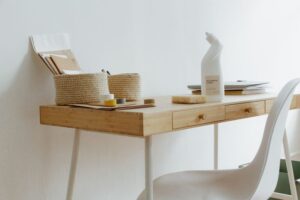

Creating a relaxing home workspace is essential for maintaining focus and boosting productivity. With more people working remotely or spending time on personal projects at home, having a dedicated area that combines comfort and efficiency can make all the difference. Below are practical tips to help you design a workspace that supports your well-being and work goals.
Why a Relaxing Workspace Matters
When your workspace is comfortable and calming, you’re less likely to feel stressed or distracted. This promotes better concentration, leading to higher quality work and greater satisfaction. A thoughtfully arranged area also encourages healthy habits, such as proper posture and breaks, which contribute to overall wellness.
Choosing the Right Location
Find a Quiet Spot
Select a part of your home that is away from loud noises and heavy foot traffic. Quietness is key to minimizing interruptions. If space is limited, consider using room dividers or noise-cancelling headphones to create a peaceful zone.
Maximize Natural Light
Position your desk near a window if possible. Natural light not only brightens your space but also helps regulate your sleep cycle and boosts mood. If natural light is scarce, invest in good-quality lighting that mimics daylight.
Ergonomic Furniture for Comfort
Invest in a Supportive Chair
Comfortable seating with adjustable height and lumbar support prevents back and neck pain. Spend time selecting a chair that promotes healthy posture.
Use an Adjustable Desk
Standing desks or desks with adjustable heights allow you to alternate between sitting and standing, reducing fatigue and improving circulation.
Organizing Your Workspace
Keep It Clutter-Free
A tidy desk helps your mind stay clear. Use organizers, shelves, or drawers to store supplies and documents. Regularly declutter to maintain a clean environment.
Simplify Your Setup
Limit the number of devices and accessories on your desk. Only keep essentials within reach to avoid distraction and improve efficiency.
Personalize Your Space
Add Calming Elements
Incorporate items that help you feel relaxed, such as plants, soft cushions, or a small water fountain. Greenery can reduce stress and improve air quality.
Choose Soothing Colors
Colors impact mood. Soft blues, greens, or neutrals create a peaceful atmosphere. Use these tones for walls, furniture, or decor accents.
Create a Routine and Boundaries
Set Specific Work Hours
Having consistent work times helps signal to your brain when it’s time to focus and when to rest.
Minimize Distractions
Turn off non-urgent notifications and inform household members about your work schedule. Establishing boundaries keeps your home workspace productive.
Incorporate Breaks and Movement
Take Regular Breaks
Short breaks every hour help maintain energy and concentration. Step away from your desk, stretch, or take a walk.
Practice Desk Exercises
Simple stretches or movements reduce muscle stiffness and refresh your body.
Use Technology Wisely
Optimize Your Equipment
Ensure your computer, monitor, and keyboard are set up ergonomically. An external keyboard and mouse can reduce strain.
Use Apps for Focus
Consider apps that block distracting websites or track your work sessions to stay focused.
Final Thoughts
Designing a relaxing home workspace is about combining comfort with functionality. By choosing the right location, investing in ergonomic furniture, organizing efficiently, and adding personal touches, you can create an environment that supports your productivity and well-being. Remember that small changes can have a big impact, so start with one or two tips and build from there.
With these ideas in mind, your home workspace can become a place where you look forward to working each day.